

Glanzmann Thrombasthenia
“Living with Glanzmann Thrombasthenia demands resilience, planning and awareness. The bruises, the yellowish skin and the spontaneous bleedings are not just a look, they are a story of quiet strength and hope that never dies.”

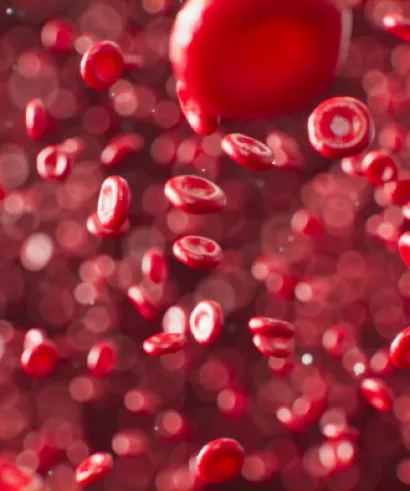
Glanzmann thrombasthenia
A bleeding disorder characterised by spontaneous mucocutaneous bleeding and an exaggerated response to trauma due to a constitutional thrombocytopenia.
Clinical description
Glanzmann Thrombasthenia is a platelet function disorder that is caused by an abnormality in the genes for glycoproteins IIb/IIIa. These genes code for a group of linked proteins normally found on the surface of platelets, the glycoprotein IIb/IIIa receptor (also called the fibrinogen receptor). Because this receptor is absent or is not working properly, platelets do not stick to each other at the site of injury and it is difficult for the normal blood clot to form.
Key Symptoms
Include frequent nosebleeds, easy bruising, bleeding gums, and heavy, prolonged menstruation (menorrhagia).
Glanzmann thrombasthenia can be especially devastating in women and girls.
Diagnosis
Involves a combination of blood tests showing normal platelet counts but abnormal function, including platelet aggregation studies (failing to aggregate with ADP, collagen, epinephrine but reacting to ristocetin) and flow cytometry to detect low levels of the αIIbβ3 integrin protein, often confirmed with genetic testing of the ITGA2B and ITGB3 genes, to rule out other bleeding disorders like von Willebrand Disease.
Prevalence
Unknown
Inheritance:
Autosomal recessive
Age of onset:
Infancy, Neonatal
Updated January 2026

Stay up-to-date with the latest EHC activities and events!