

Factor II (Prothrombin) Deficiency

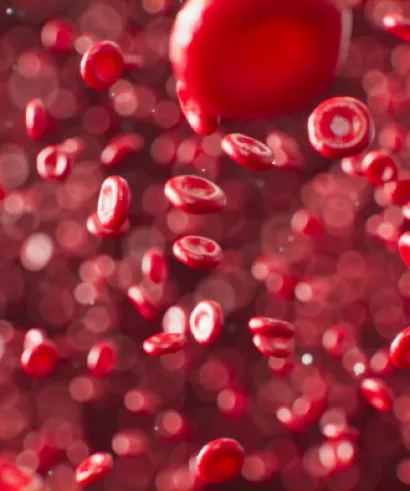
A rare inherited coagulation disorder characterised by reduced activity of factor II (prothrombin), leading to a variable bleeding tendency.
Epidemiology
Factor II deficiency is one of the rarest inherited coagulation factor deficiencies. The estimated prevalence of homozygous or compound heterozygous forms is approximately 1 in 2,000,000 individuals. Both sexes are equally affected. The true prevalence may be underestimated due to the underdiagnosis of mild cases.
Clinical description
Clinical presentation is variable and correlates with plasma factor II levels. Severe forms typically present in infancy or early childhood, while milder forms may be diagnosed later in life.
Bleeding manifestations include easy bruising, epistaxis, gingival bleeding, menorrhagia, mucocutaneous bleeding, soft tissue bleeding, haemarthroses, and prolonged bleeding following dental procedures, trauma, or surgery. Gastrointestinal and intracranial haemorrhages are rare but have been reported in severe cases.
In dysprothrombinemia (qualitative defects of factor II), thrombotic events have occasionally been described, despite low or dysfunctional prothrombin activity.
Etiology
Inherited factor II deficiency is caused by pathogenic variants in the F2 gene, which encodes prothrombin. The disorder may result from either reduced synthesis (hypoprothrombinemia) or dysfunctional prothrombin (dysprothrombinemia).
Diagnostic methods
Diagnosis is based on:
Prolonged prothrombin time (PT), with activated partial thromboplastin time (aPTT) often also prolonged
Reduced factor II coagulant activity measured using PT-based assays
Genetic testing can confirm the diagnosis and distinguish quantitative from qualitative defects, but is not required for routine clinical diagnosis.
Differential diagnosis
Differential diagnoses include:
Other rare coagulation factor deficiencies (factors V, VII, X)
Combined vitamin K–dependent factor deficiencies
Acquired prothrombin deficiency (e.g. vitamin K deficiency, liver disease, anticoagulant therapy)
These conditions should be excluded before confirming inherited factor II deficiency.
Genetic counseling
Inheritance is autosomal recessive. Genetic counselling is recommended for affected individuals and at-risk families. Carrier couples have a 25% risk of having an affected child with each pregnancy.
Factor II (Prothrombin) Deficiency
Prevalence
<1 / 1 000 000
Management and treatment
Management is individualised and depends on bleeding severity and clinical context.
Treatment options include:
– Prothrombin complex concentrates (PCCs) for treatment and prevention of bleeding
– Fresh frozen plasma if PCCs are unavailable
Regular prophylaxis is not routinely required but may be considered in severe cases or high-risk situations. A written bleeding management plan is recommended for surgery and invasive procedures.
Prognosis
Prognosis is generally good with appropriate diagnosis and access to treatment. Most patients can achieve good bleeding control with supportive management and anticipatory care.
Last update: June 2026
Stay up-to-date with the latest EHC activities and events!